
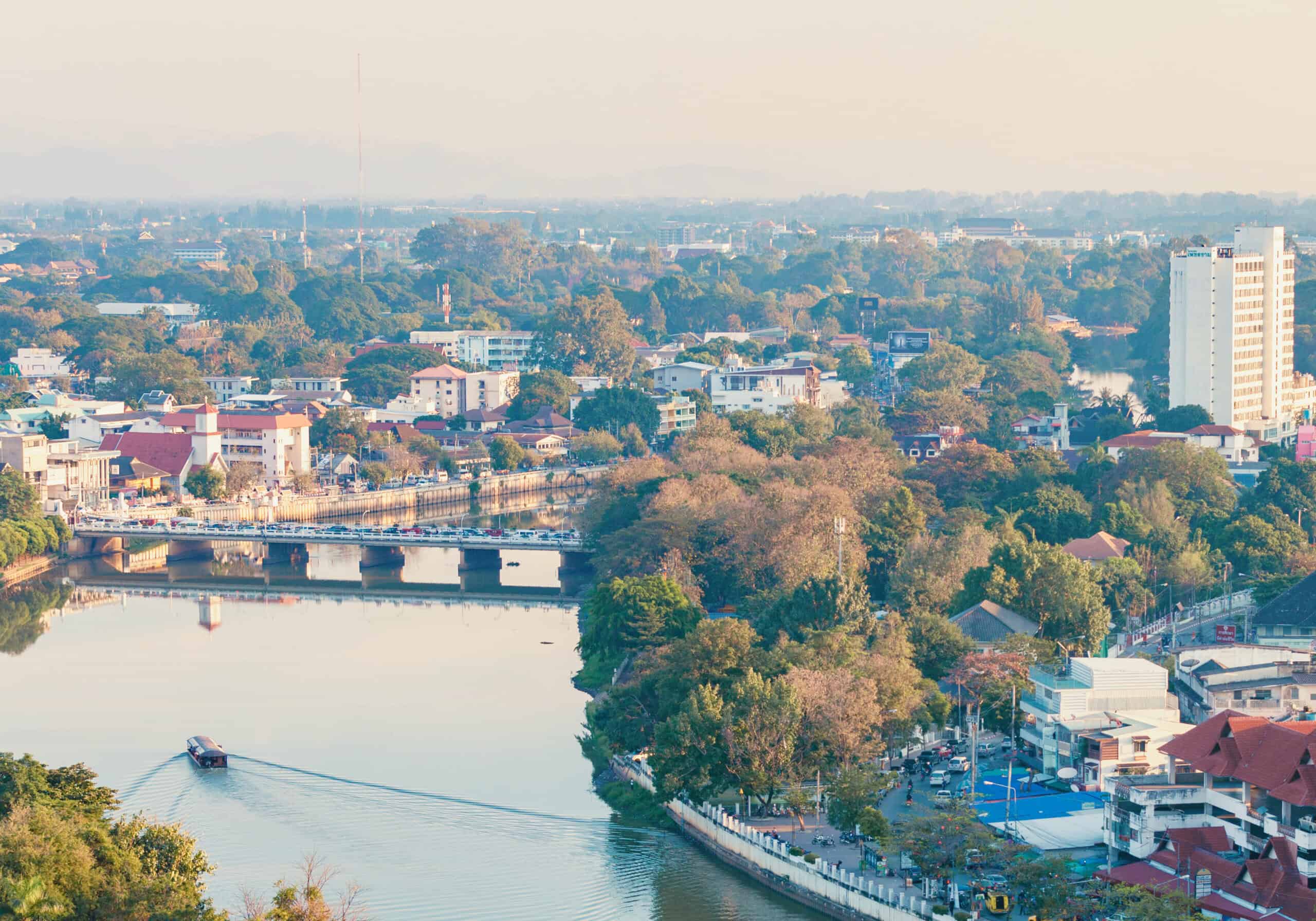
Chiang Mai Neighborhoods
Each neighborhood scored for family-friendliness, walkability, safety, cultural character, and cost of living.

Hip Energy Meets Walkable Convenience
Classic Expat Haven Along the Ping
Historic Heart with Timeless Charm
Affordable Thai Vibes on the Rise
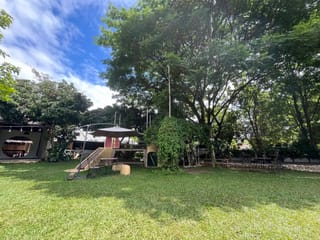
Premier Expat Family Mooban Country
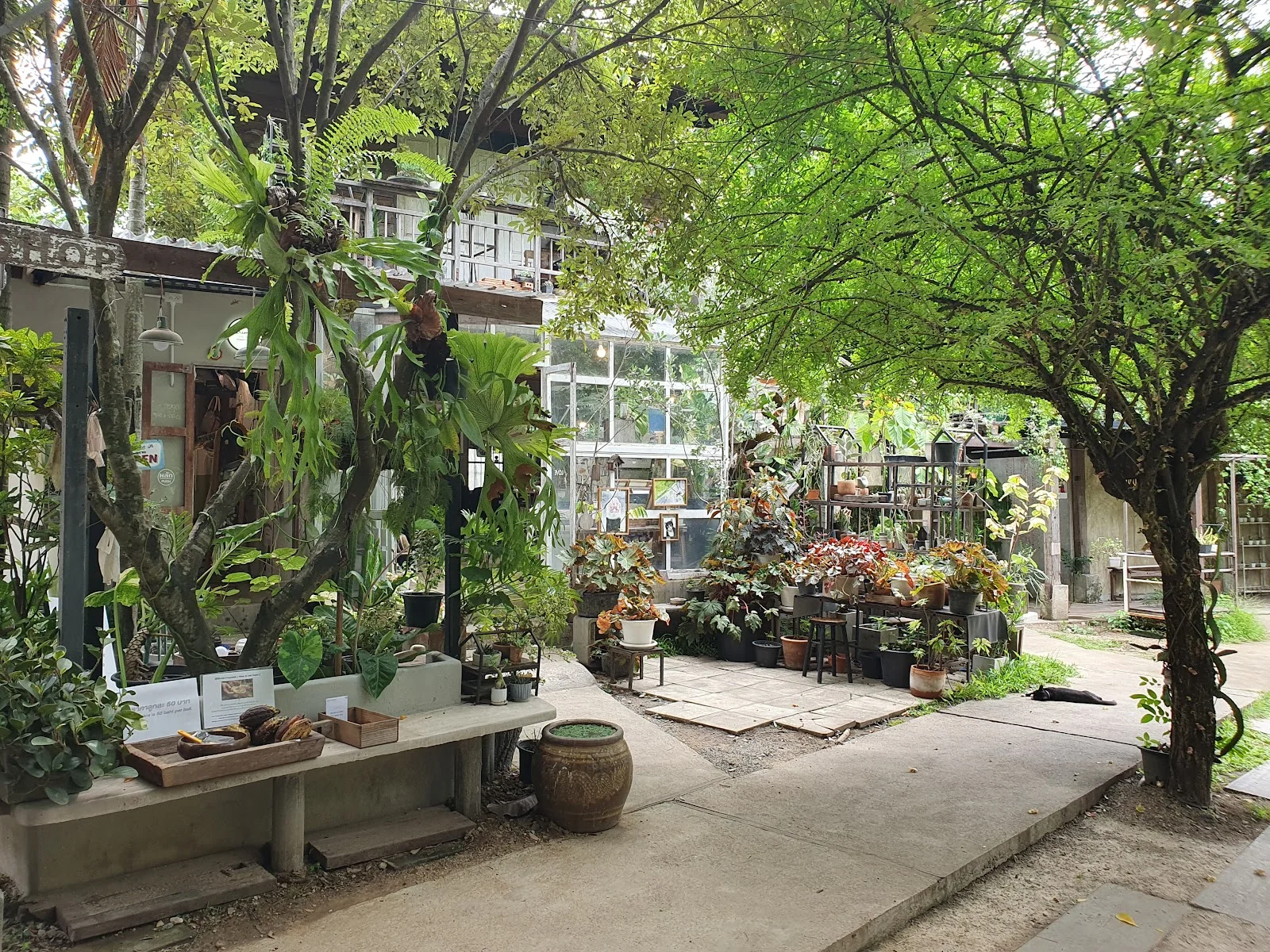
Artsy, Spiritual Foothill Enclave
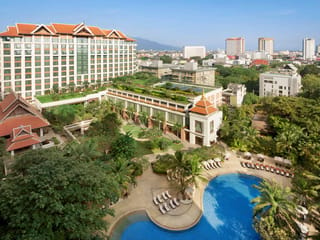
Central Sophistication by the River

Gated Comfort on the City’s Southern Edge
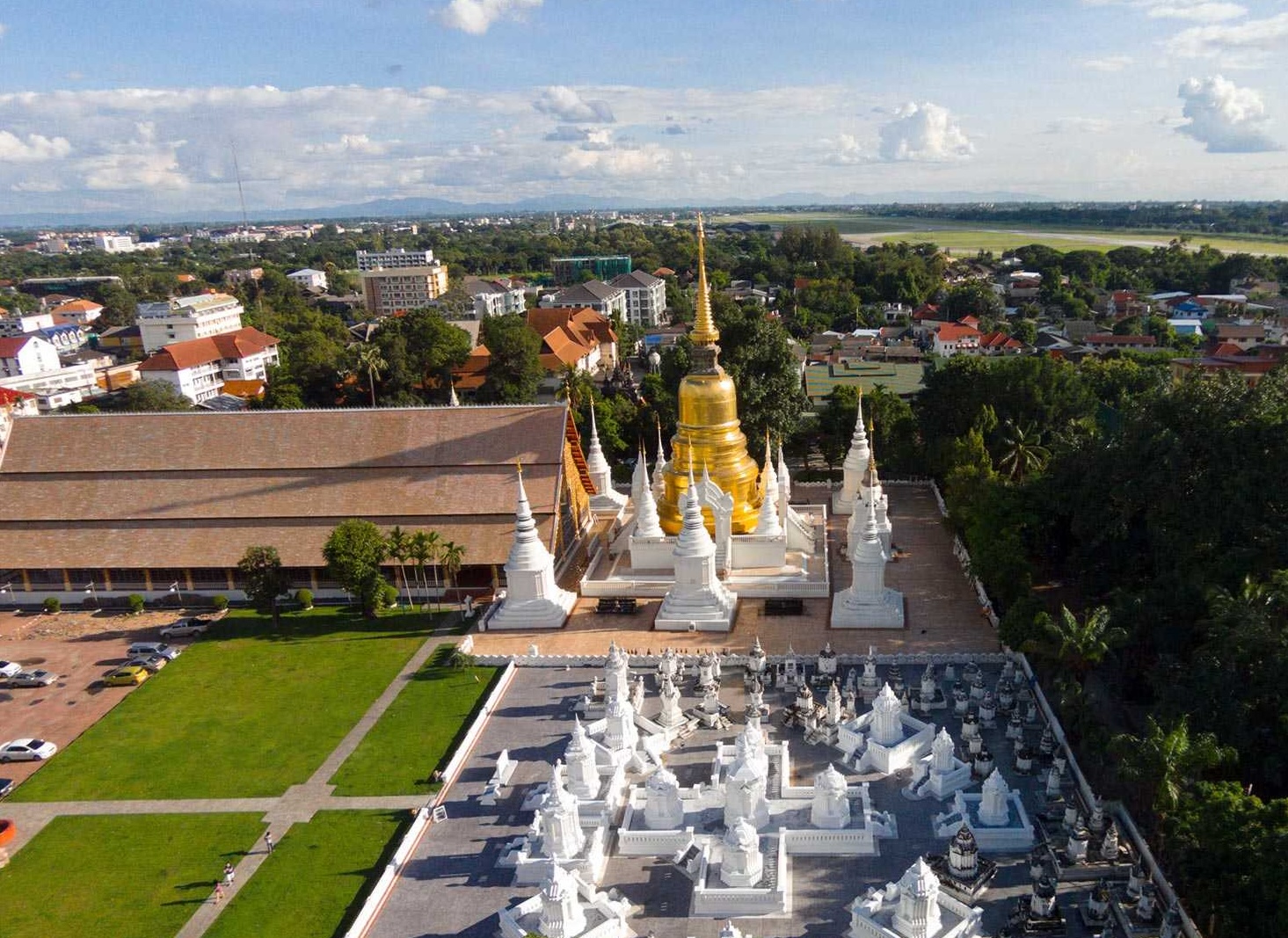
Leafy Urban Escape in the City Center
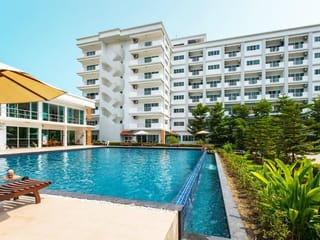
Smart Value Between the Highways

Green Northern Valley with Nature on Your Doorstep

Authentic Local Living with Family Appeal
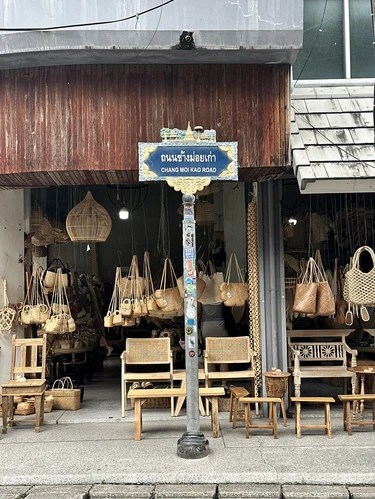
Commerce, Culture, and the Ping River
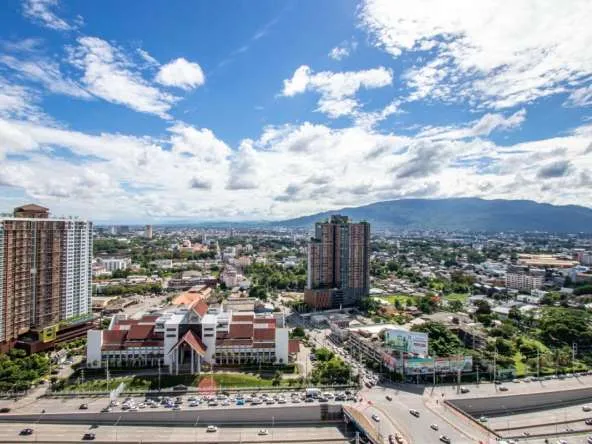
East-Side Diversity from Luxury to Local
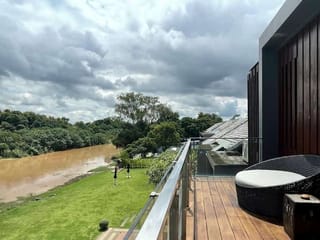
Relaxed Riverside Suburban Living
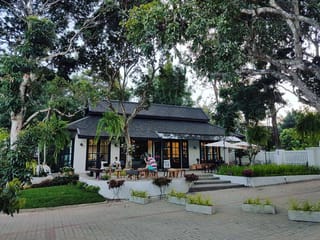
Cool, Leafy Foothills Retreat

Self-Contained Town with Affordable Space
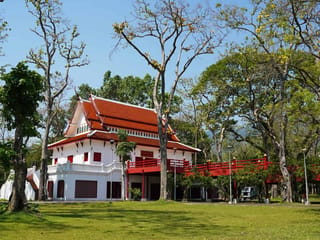
Lively Student Quarter at the Mountain’s Edge
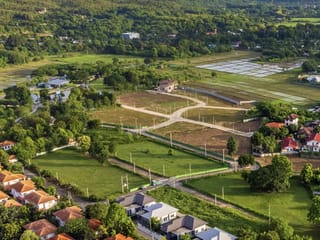
Spacious Rural Homes with Mountain Views
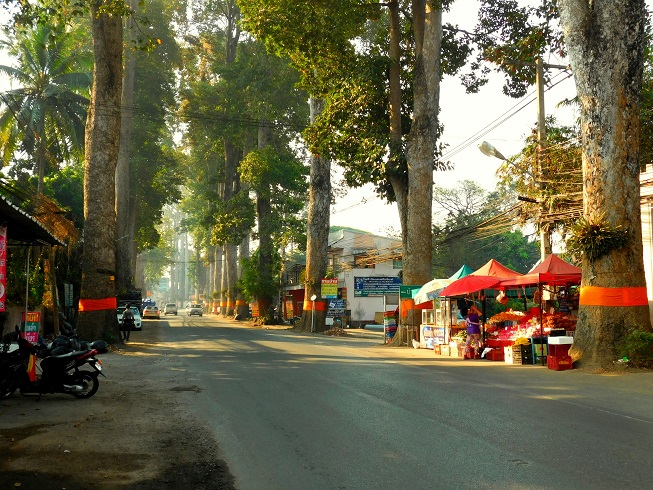
Historic Tree-Lined Local Heartland
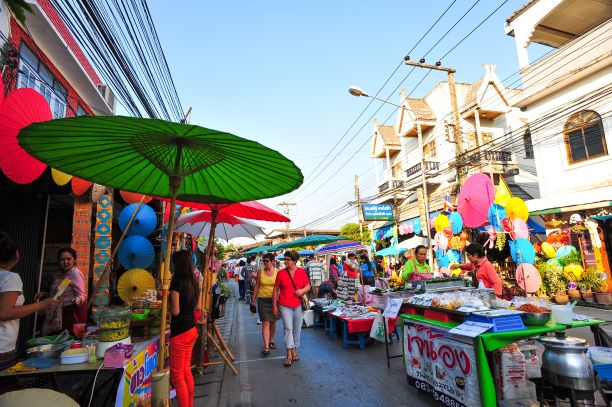
Traditional Craft Villages and Hot Springs

Riverside Maze with Easy Airport Access
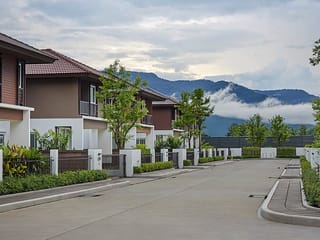
Northern Family Moobans with Mountain Air

Affordable Modern Meets Rural North
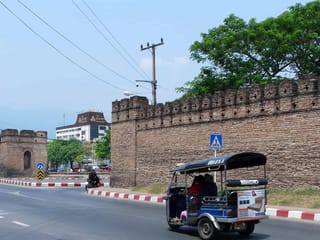
Local Life from Bustling Core to Quiet North

Gentle Riverside Orchards South of Town
Not sure which area fits you?
Answer a few quick questions and we'll match you to your top three.
How We Rate Chiang Mai Neighborhoods
Each neighborhood is scored across eight dimensions — expat-friendliness, family-friendliness, walkability, safety, value, cafés & culture, greenery, and quiet (value runs the intuitive way, so a higher score means cheaper). These aren't pulled from a single spreadsheet. They're our own read of each area, built from living in Chiang Mai and from the profiles above, and scored relative to one another — a 5 for walkability in the Old City means the same as a 5 anywhere else. Treat them as a quick way to compare, then read the neighborhood's write-up for the nuance a number can't carry. Our neighborhood quiz weights these dimensions by your priorities and returns your top three matches.
How We Draw Neighborhood Boundaries
Chiang Mai's neighborhoods aren't tidy administrative units — the official tambon and mooban lines rarely match how locals and expats actually talk about where they live. The shapes we draw on the map are our own, hand-drawn to follow the way each area feels on the ground: the run of a road, the reach of a market, the point where one neighborhood's character gives way to the next — not any government register. So treat them as a guide to the city's grain, not a surveyor's plot. Near the edges they're deliberately fuzzy: a single street could reasonably belong to either side, and we'd rather capture the feel than fake a precision that doesn't exist on the ground.
Explore the directories
Found your area? Each directory pins real, in-person-vetted places to the map — keyed to the same neighborhoods.



Best Neighborhoods for Digital Nomads
Start with Nimmanhaemin. Nimman Road and its sois are the epicenter of Chiang Mai's nomad scene — the density of specialty coffee shops, coworking-tolerant cafes, and Thai-international restaurants is unmatched anywhere in the city, fibre is everywhere, and landlords are used to short-term leases. The catch is the price of admission: rent runs 30–50% above comparable units elsewhere, and Nimman Road itself is a grind from 5–8 PM.
Want the same scene for less? Santitham sits ten minutes away by bike — cheaper, more local, still in easy cafe range. Jed Yod is the other value play, "Nimman without the price tag," with CAMP coworking on its doorstep. And if you'd trade the buzz for quiet, the Old City (home to the original Alt coworking) and Wat Ket's emerging riverside scene both suit heads-down work.
Want to stay close to the city but trade a little density for space? We point plenty of nomads to Pong Noi and Mae Hia — artsier and more residential, cafes still within reach but with room to breathe. Chang Klan's newer riverside condos and, increasingly, Tha Sala are drawing nomads too.
Best Neighborhoods for Families
Hang Dong, and it isn't close — it ranks first in our family-friendliness score. The draw: larger houses with gardens at far lower per-square-metre cost, the city's highest concentration of international schools (CMIS, Grace, Lanna, Panyaden, APIS), and a mooban-heavy housing stock with the gated-community security many families want. The tradeoff is car dependence — there are cafes and markets, but it's not walkable the way Nimman is.
For more space and cooler air, the Mae Rim corridor is the alternative: greener and more rural, with its own schools, at the cost of a heavier rush-hour commute. Mae Hia and San Phi Suea round out the family belt — a school or two each and a quieter, mooban pace. Either way, the neighborhood quiz weighs schools, space, and budget the way a family actually would.
Chiang Mai Neighborhoods FAQ
Which neighborhoods flood?
Neighborhoods along the Ping River are most prone to flooding: Chang Klan, Hai Ya, Pa Daet, Fa Ham, Wat Ket, and parts of Saraphi. Sub-districts with "Nong" in the name (such as Nong Hoi) also often carry some risk. Note that even in rare extreme flooding events, water can sometimes approach the Old City moat but never crosses into it.
Which neighborhoods are in the airport flight path?
Jed Yod gets it worst — it sits where planes often bank to turn — with Suan Dok, Nimman, Suthep, and parts of Mae Hia all under real airplane noise too. San Pa Kwan in southern Hang Dong is also affected. Areas further out, especially at higher elevation, tend to be quieter.
Which neighborhoods are most affected by burning season smoke?
Honestly, your neighborhood barely helps: burning-season smoke (roughly February to April) pools across the whole Chiang Mai basin, so everywhere breathes it. Rural areas beside active field-burning fare worse day to day, and higher western spots like Chang Khian sit above the worst of it on good days — but no neighborhood truly escapes.
Which neighborhood is best for expats?
It depends on lifestyle: Hang Dong for families, Nimman / Jed Yod for nomads, Wat Ket for riverside living.
Which neighborhood is best for digital nomads?
Nimman and Jed Yod are the strongest choices.
Which neighborhood is best for expat families?
Hang Dong leads, followed by Mae Hia, San Phi Suea, and parts of Mae Rim.
Which neighborhoods are best for international school access?
Hang Dong has the highest concentration by a wide margin and is the clear leader. Other areas like Mae Rim, San Sai, San Phi Suea, and Mae Hia typically have only one or two good options each.
Which neighborhood is best for retirees?
Hang Dong and Mae Rim, with Doi Saket appealing for more space and lower costs. Many retirees have historically favored — and still favor — Wat Ket and Chang Klan for their walkability and easy access to the riverside hospitals.
Which neighborhood is best for a first visit to Chiang Mai?
The Old City. For a first taste of the city you want to be inside the moat — temples, the Sunday Walking Street, cheap eats and guesthouses all on foot, and everything else a short ride away. Nimman is the modern alternative if you'd rather trade old-town charm for specialty coffee, malls, and a more polished base.
Which neighborhood is best for short-term living (one to three months)?
Nimman, the Old City, and Jed Yod — all three are set up for it, with furnished condos, landlords used to monthly leases, and enough within walking or short-riding distance that you won't need to buy a motorbike for a short stay. Nimman and Jed Yod skew nomad; the Old City skews visitor.
Which neighborhoods are the most budget-friendly?
Santitham, Chang Puak, Suthep, Jed Yod, city-side San Sai, and more Thai/rural areas such as San Kamphaeng, Saraphi, and Doi Saket consistently offer the best value.
Which are the most prestigious neighborhoods in Chiang Mai?
Nimman and Wat Ket Riverside are widely seen as prestigious for their location, character, and amenities. Hang Dong is the clear leader for premium gated mooban living aimed at expat families, with many high-quality developments offering pools, security, and resort-style facilities. Mae Rim and southern areas like Nam Phrae also attract those seeking more spacious, high-end estates with land and privacy. In the central areas, premier condo developments in Chang Klan (notably the Astra series) and parts of Tha Sala (including luxury resort-linked properties near Dhara Dhevi) also contribute to the top-tier reputation.
Which neighborhoods are the greenest?
Most of Chiang Mai is greener than people expect — it's a low-rise garden city, and leafy sois and walled gardens are the norm almost everywhere. The real exceptions are the dense urban cores: Nimman, Santitham, and inner Chang Puak trade greenery for walkability. For the leafiest, most open end of the scale, head to the hillside and rural fringes — Chang Khian, Nam Phrae, the higher parts of Mae Rim, Doi Saket, and San Phi Suea — or out toward Hang Dong and Saraphi. Closer in, Pong Noi and Wat Ket's garden lanes stay notably leafy.
Which neighborhoods are the quietest?
The rural and outer hoods are quietest — Nam Phrae, San Phi Suea, Doi Saket, the upper Mae Rim corridor, and Chang Khian. At the other end, anywhere built around nightlife or a big market stays loud after dark: Nimman, Chang Moi (Warorot), Chang Klan (the Night Bazaar), and Santitham.
Which is the most walkable neighborhood in Chiang Mai?
The Old City and Nimman lead — inside the moat and around Nimman's sois you can genuinely live on foot, with cafes, markets, temples and food all a short walk away, which is a big part of why both command a premium. They aren't the only ones, though: Chang Moi is dense and quite walkable, and Wat Ket and Chang Klan hold their own. Past that tier, Chiang Mai is a motorbike city — most neighborhoods assume you'll ride, footpaths are patchy, and distances add up fast.
Which neighborhoods have the best café and coworking scene?
Nimman and Jed Yod dominate, followed by the Old City and Wat Ket.
Which neighborhood is best if you want to stay integrated in Thai life and culture?
Chang Moi, Chang Puak, Hai Ya, and Santitham are strong in the urban core. San Kamphaeng and Saraphi also appeal to expats seeking deeper integration. Authentic local pockets exist in nearly every neighborhood.
Which neighborhoods are best for community?
Community varies by lifestyle. Nimman has a surprisingly strong nomad/digital community despite its bubble reputation. Pong Noi stands out for its creative, student, and young nomad mix. Wat Ket is emerging as a nomad-friendly area thanks to Alt's efforts. For families, Mae Hia has a well-known homeschool co-op in one of its moobans, while Hang Dong (especially World Clubland and Ban Wang Tan / Graceland area) is famous for tight-knit expat family community.
What's the difference between Hang Dong and Mae Rim?
Hang Dong is denser with more schools and conveniences. Mae Rim is cooler, greener, and more rural but has heavier rush-hour traffic.
Take the maps with you
Found your area? The map pack drops 15 of our curated Google Maps straight into your phone — the cafes, the markets, the kid-friendly spots, the places worth the drive. Free; just drop your email.